Late Bronze Age tin from Armenia
The provenance of tin from the cemetery at Metsamor, Armenia, and the Late Bronze Age–Early Iron Age tin trade in the South Caucasus.


- Runtime: 01.05.2026–28.02.2027
- Supporter: Fritz Thyssen Foundation
- Partner: Rene Kunze, Ashot Piliposyan, Hasmik Simonyan, Arsen Bobokhyan, Khachatur Meliksetian
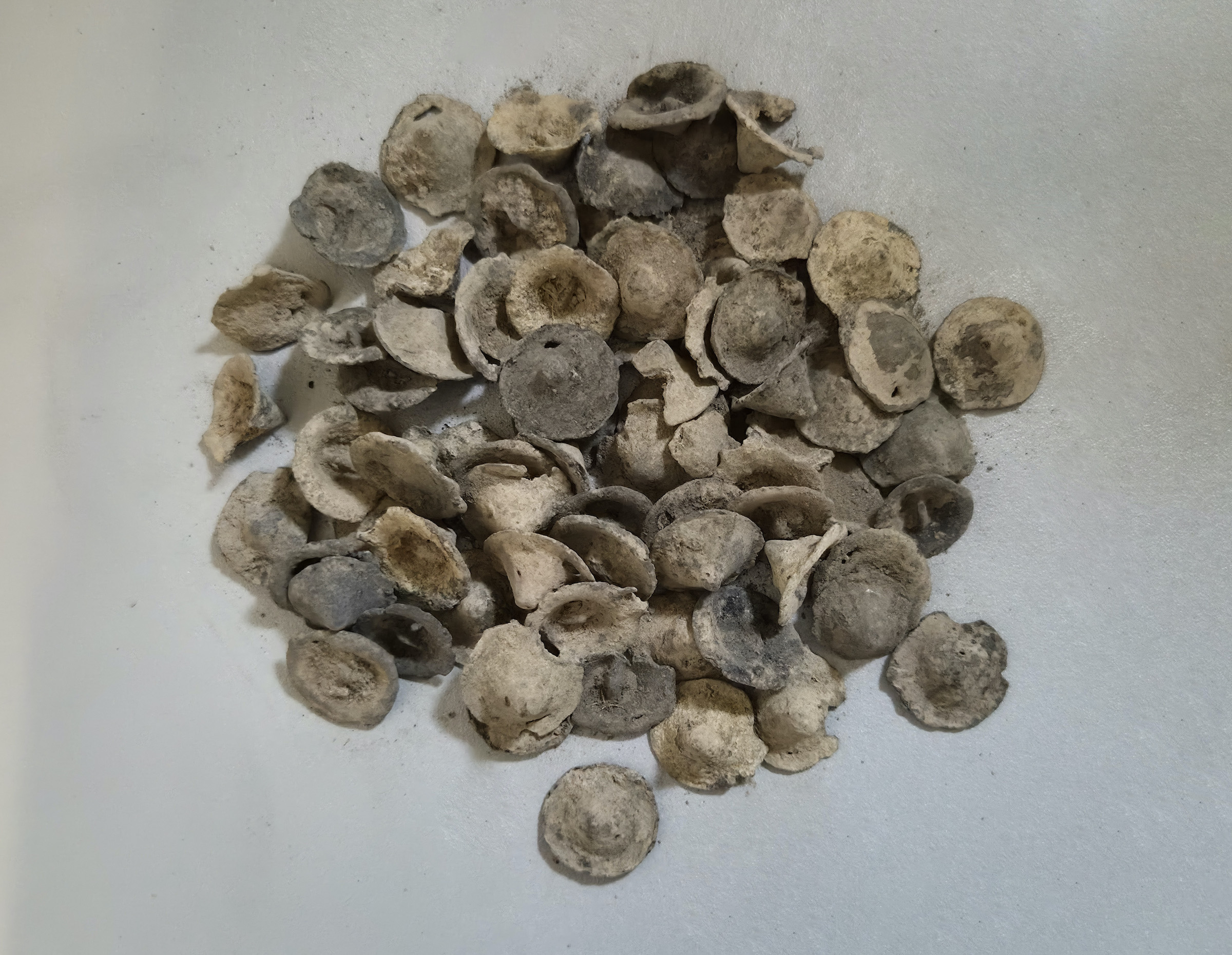
The cemetery at Metsamor in Armenia is one of the most important archaeological sites in the South Caucasus. The associated settlement and necropolis were in use for around 1,500 years, from the nineteenth to the fifth century BC. The main phase of occupation falls within the Late Bronze Age, corresponding to the fifteenth to thirteenth centuries BC. An exceptionally large number of tin objects has survived in graves from this period and the subsequent Early Iron Age. More than 3,000 pieces of jewellery, primarily beads, buttons and pendants, make Metsamor a site without parallel in Eurasia. Nowhere else have so many tin objects been recovered from a single archaeological site. The origin of the tin used to produce them, however, remains unknown.
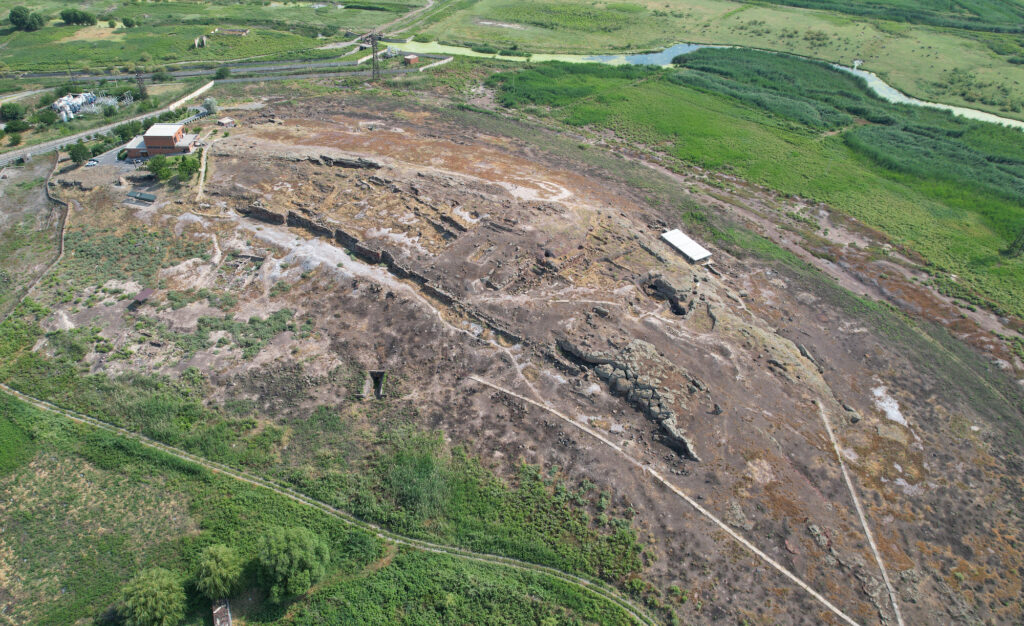
A research project at the Curt-Engelhorn Centre for Archaeometry (CEZA), funded by the Fritz Thyssen Foundation, is now investigating the provenance of this metal and its significance for long-distance exchange in the South Caucasus. The assemblage is particularly informative in this respect. Whereas metallic tin is usually represented in prehistoric contexts by only a small number of individual finds, Metsamor provides the first opportunity to investigate a large group of objects that can be differentiated both chronologically and archaeologically. This makes it possible to trace changes in the use, availability and social significance of tin over several centuries.
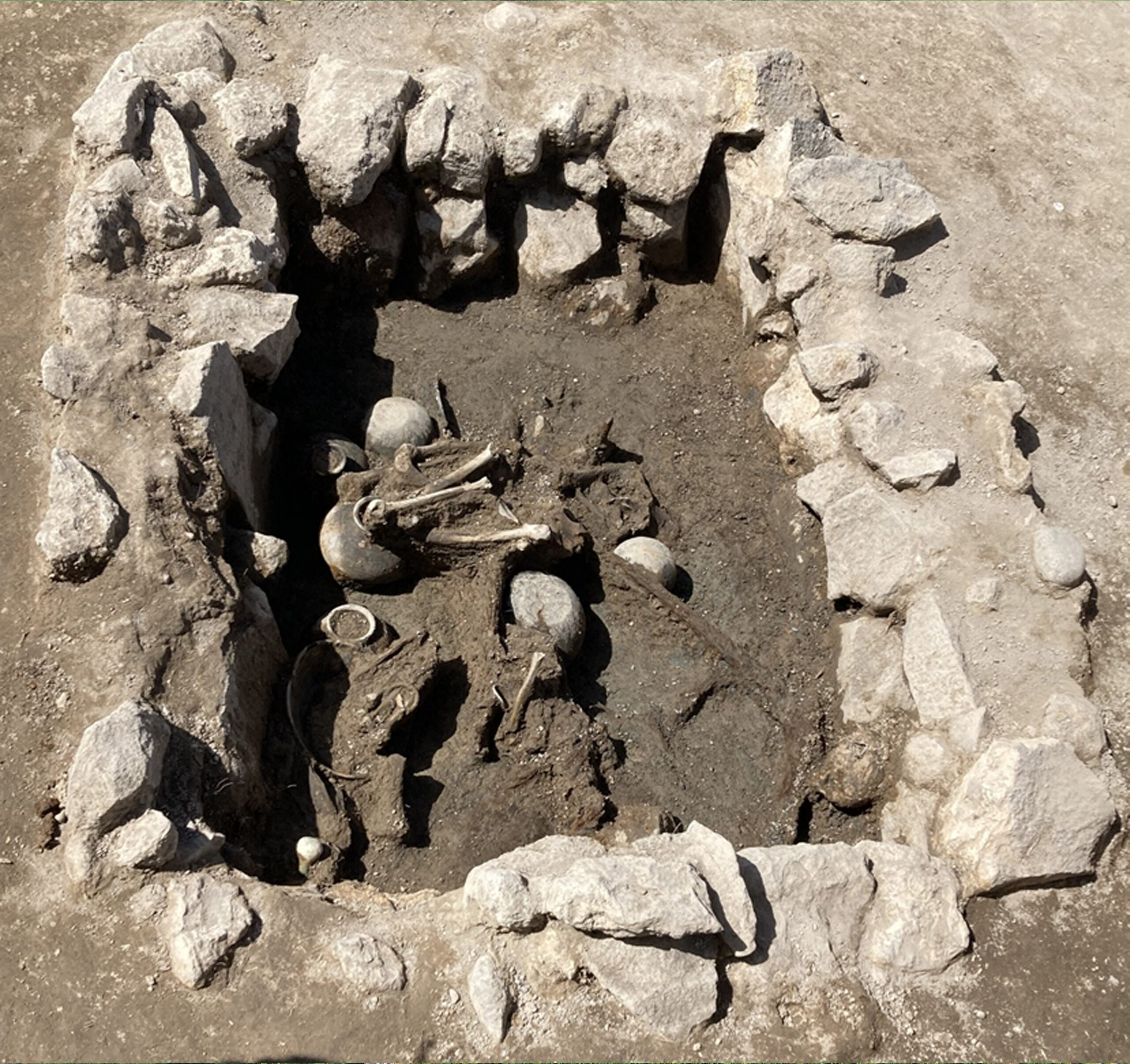
The project addresses several key questions. What grades of tin and which tin alloys were used at Metsamor? Can chronological or contextual differences be identified between individual graves? From which ore deposits did the tin originate? And what can the results reveal about trade routes, cultural contacts and Metsamor’s role within Late Bronze Age and Early Iron Age exchange networks?
In the first stage of the project, approximately 1,000 tin objects will be examined in Armenia using a portable X-ray fluorescence spectrometer. This non-destructive screening will allow the chemical composition of a very large assemblage to be recorded systematically, evaluated statistically and used to select particularly suitable objects for further analysis. Preference will be given to well-preserved objects made of relatively pure tin and containing only very low concentrations of lead, as corrosion or extraneous lead may complicate or even preclude provenance analysis.
Selected samples will subsequently be analysed at CEZA in Mannheim. The analytical approach combines trace-element analysis by quadrupole inductively coupled plasma mass spectrometry (Q-ICP-MS) with tin- and lead-isotope analysis by multi-collector ICP-MS (MC-ICP-MS). Only the combined evaluation of these three parameters can provide a sufficiently robust basis for constraining the provenance of the metal. The results will be compared with extensive reference datasets for Eurasian tin ores and prehistoric tin objects. This will make it possible to assess whether the tin originated from deposits in north-western Europe, Central Asia or other regions. The archaeological interpretation will be undertaken in close collaboration with Armenian researchers and with Dr René Kunze of Martin Luther University Halle-Wittenberg. Their expertise provides the necessary information on archaeological contexts, chronology and regional metallurgy. Only an interdisciplinary approach can establish whether Metsamor may have occupied a key position in long-distance tin exchange, potentially explaining the exceptional abundance of tin at the site. At the same time, the project will investigate which resources the region may have supplied in return for tin. Gold is a particularly plausible candidate, since the territory of present-day Armenia is rich in gold deposits but lacks comparable tin resources.
The project is directly connected to one of CEZA’s principal areas of research: the scientific investigation of raw-material provenance, metallurgy and exchange systems in prehistoric societies. Methodological work undertaken at CEZA has substantially advanced the combined use of tin and lead isotopes and trace-element patterns in the archaeometry of tin. This approach has already enabled Late Bronze Age tin ingots from the eastern Mediterranean to be linked, with a high degree of probability, to British ore deposits. Building on this methodological foundation, the Metsamor assemblage will now be integrated comprehensively into the broader history of Bronze Age tin trade. The project will also establish an important basis for future investigations of tin in Armenian bronze objects and in comparable assemblages beyond the region.