

More than 1,000 years after his death, modern analytical methods are providing new insights into the life and burial of Otto the Great. The Curt-Engelhorn Center for Archaeometry (CEZA) made a significant contribution through isotope and dating analyses, helping to clarify the identity of the individual buried in Magdeburg Cathedral.
The Project and CEZA’s Scientific Contribution
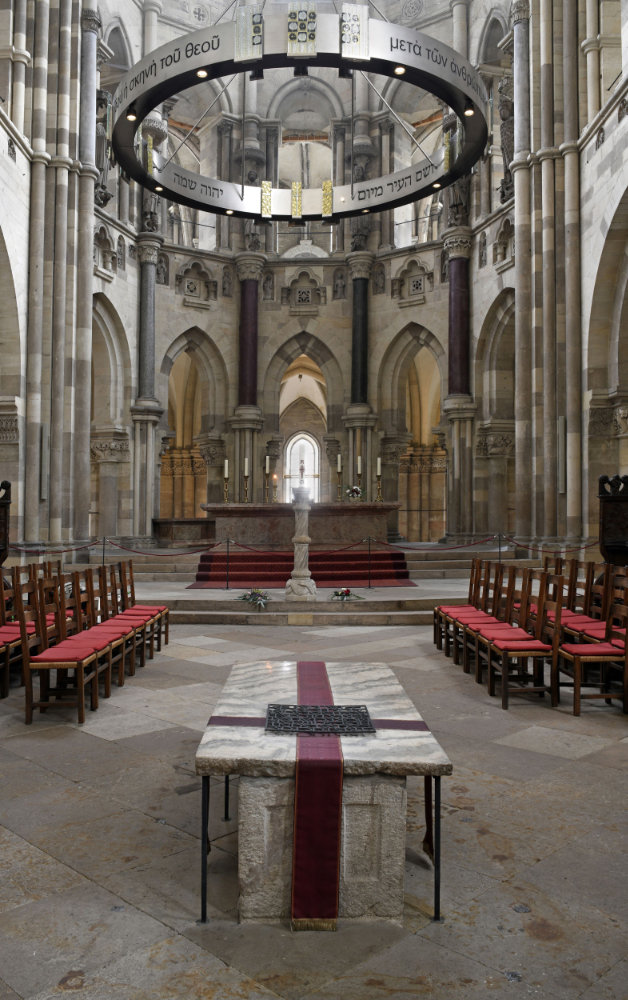
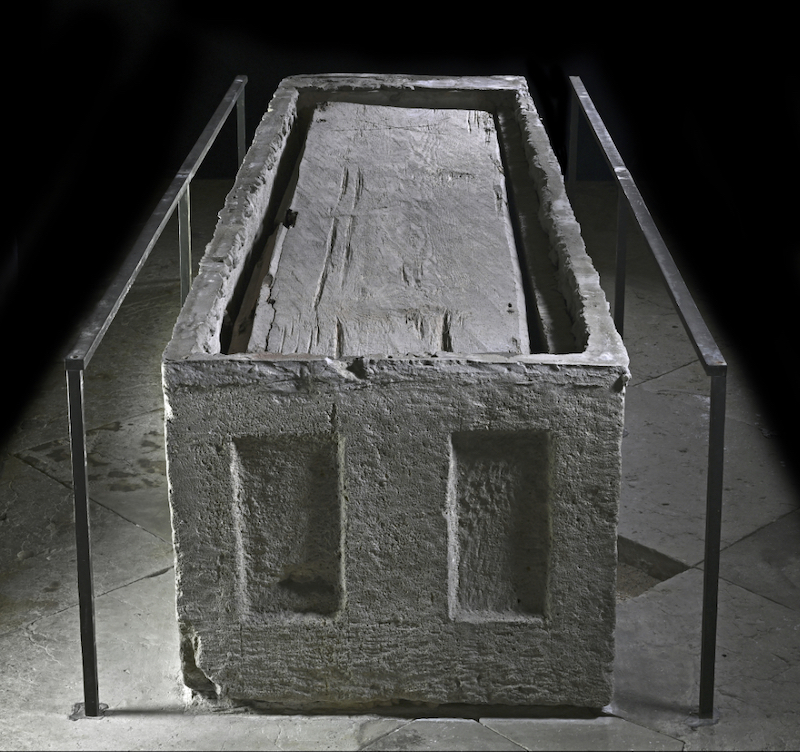
Since early 2025, the tomb of Emperor Otto the Great has been the focus of an extensive documentation and conservation project. As both the stone sarcophagus and the wooden inner coffin were acutely threatened by corrosion and moisture, the contents were removed for preservation and made accessible to a multidisciplinary research team.
Within this network, CEZA is addressing, among other things, two key questions—chronology and lifestyle — as essential pieces of the overall puzzle. Scientific dating of the finds using radiocarbon (¹⁴C) methods, as well as the reconstruction of dietary habits through isotope analysis, play a central role.
Presentation of the Research Findings
The results of this collaborative effort were presented on March 18, 2026, at a press conference held on the campus of Magdeburg University Medicine. Experts from the State Office for Heritage Management and Archaeology of Saxony-Anhalt, Magdeburg University Medicine, the Max Planck Institute for Evolutionary Anthropology, and CEZA jointly explained why the skeleton can, with near certainty, be identified as Otto the Great (d. 973).
The Path to Identification: Interdisciplinary Collaboration
The investigative process was characterized by close integration of various disciplines:
- Conservation & Documentation: After enclosing the tomb within the cathedral, the 300 kg ancient marble slab was lifted in order to recover the endangered wooden coffin.
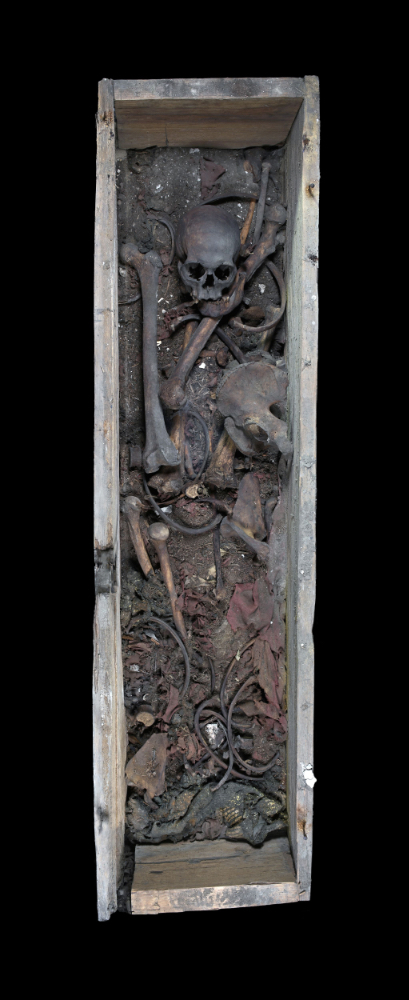
- Archaeological Findings: In addition to the bones, textile fragments of Byzantine silk and a “Moritzpfennig” coin from the 13th century were documented, indicating later reburials.
- Laboratory Work: While anthropological analysis determined an age at death of approximately 60 years and a remarkable height of 180 cm for the period, CEZA provided the physical dating and chemical characterization.
“It is fascinating that, with the help of radiocarbon dating and modern isotope analyses, we can still extract so much information from the bones of a person who lived more than a thousand years ago,” said Dr. Ronny Friedrich, Managing Director of CEZA.
The Imperial Signature: Diet and Origin
The analyses conducted at CEZA underscore the elite status of the deceased. Carbon and nitrogen isotopes indicate a diet rich in animal protein and freshwater fish — a clear sign of high social rank in the Middle Ages. Millet, a common staple food, was almost entirely absent from the imperial diet.
Together with the radiocarbon dating (¹⁴C), which yielded the expected result for an individual of Otto I (d. 973), and genetic comparison with his relative Henry II, the puzzle is now complete.
A Strong Network for Cultural Heritage
This project once again demonstrates how crucial the connection between the humanities and natural sciences is for preserving and understanding our history.
Prof. Dr. Ernst Pernicka, founder of CEZA, emphasized the long-standing partnership: “The Curt-Engelhorn Center for Archaeometry has, since its founding, been closely associated with the State Office for Heritage Management and Archaeology of Saxony-Anhalt —effectively as a ‘forensic laboratory of archaeology.’ I am very pleased that we were also able to contribute to this extraordinary find.”
After completion of the analyses, Otto the Great will be reinterred in a new coffin in Magdeburg Cathedral on September 1, 2026.
Click here to read the full press release from the State Office for Heritage Management and Archaeology of Saxony-Anhalt.