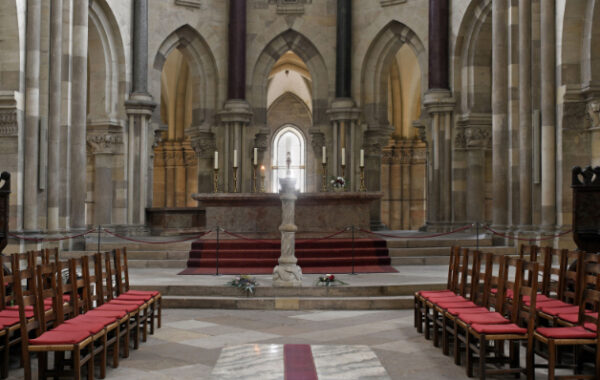
An Imperial Mystery Solved
Scientific Insights into the Tomb of Otto the Great


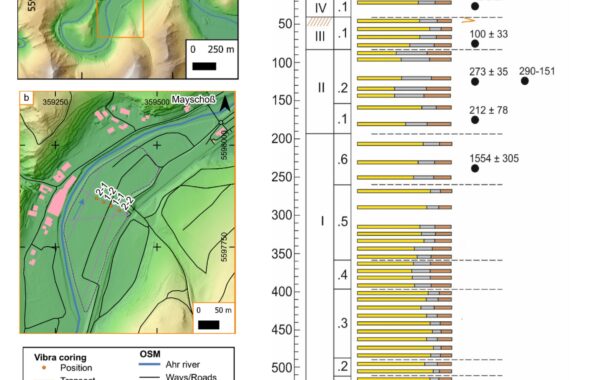
CEZA Contributes to Study on Recurrent Extreme Flood Events in the Ahr Valley
The study “Fluvial deposits of the Ahr River reveal recurring high-magnitude flood events during the last 1500 years” has recently been published in the journal Earth Surface Processes and Landforms.

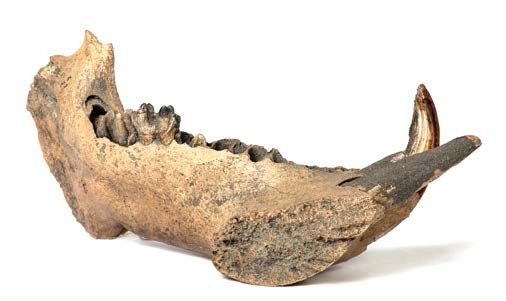
Ice Age in the Upper Rhine Graben: Hippopotamuses Lived Longer in Europe Than Previously Thought
Hippopotamuses survived in Central Europe significantly longer than previously believed—even during the last Ice Age in the Upper Rhine Graben.

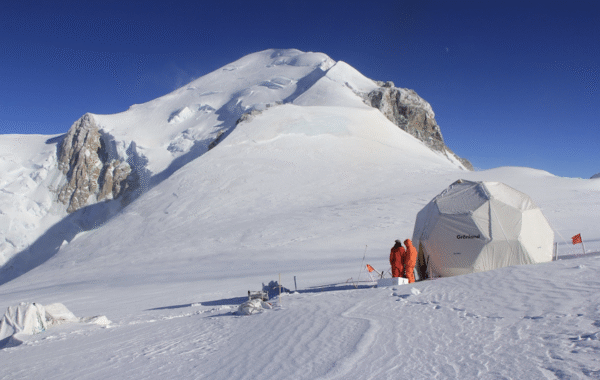
Oldest Ice Core from the Alps Provides Insights into 12,000 Years of Climate and Human History
CEZA is capable of performing the complex measurements required by combining various dating methods.

HISCAR – A second revolution!
The CEZA project HISCAR closes important gaps to create the longest uninterrupted period of annually resolved ¹⁴C data.

¹⁴C is the solution
Radiocarbon (14C) dating is a universally applicable dating method in archaeology as well as in geosciences, biosciences or environmental sciences, as well as in climate and solar research. Especially for organic materials, 14C dating is a universal and precise method for age determination.

BMBF funding for innovative research with radiocarbon (¹⁴C)
CEZA received funding from the BMBF on the basis of the Research Grants Act for the project "Basic research into the carbon cycle and its influence on climate and archaeology".
Dating of the Thera eruption: CEZA presents a new ¹⁴C finding
From the German oak tree-ring chronology, annually resolved tree-ring samples from the period 1625-1510 BC were analysed.